Free shipping over 200 €
Cart is empty
A variable frequency drive is an electronic device that adjusts the frequency and voltage supplied to an electric motor, enabling precise speed and torque control. This allows motors to operate more efficiently and adapt to varying load demands.
VFDs can significantly reduce energy consumption. In pump and fan applications, energy savings can reach up to 30%, although actual savings always depend on the specific application, operating conditions, and usage patterns.
By controlling motor speed and reducing mechanical stress, VFDs extend the life of motors and drive equipment.
VFDs provide accurate speed and torque control, ensuring stable and predictable process performance.
VFDs can be seamlessly integrated into industrial automation systems for centralized control and monitoring.
When selecting a VFD, consider the following key factors:
Select a VFD based on the motor’s rated power (kW). Choosing an undersized drive may cause overloads, while an oversized drive may not be cost-effective.
In many applications, motor current (A) is more critical than rated power. This is particularly true for:
⚠ Technical Tip: For motors with multiple starts per minute or high-torque demands, consider a VFD with overload capability or higher short-term current capacity (heavy-duty rating).
Check whether the motor operates on single-phase or three-phase power, as VFDs support different voltage types.
VFDs are available with various Ingress Protection (IP) ratings (IP00, IP20, IP55, IP66, etc.), which is important depending on industrial conditions such as dust, humidity, or harsh production environments. For more information, see our IP Protection Guide.
VFDs offer multiple communication protocols such as Modbus, Profinet, Profibus, EtherNet/IP, and others. Optional modules, expansion cards, and additional features allow for device customization to meet specific application requirements. (link to additional equipment)
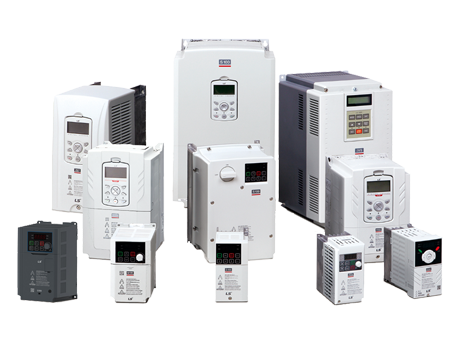
LS Electric – Drives suitable for a wide range of applications. (View Offer)
INVT – Flexible drives with IP55 protection up to 110 kW, supporting modern BLDC and PM motors. (View Offer)
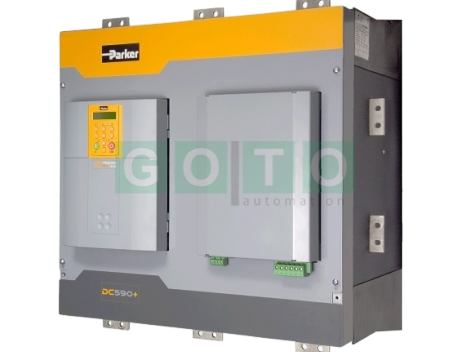
Parker – High-performance drives for demanding and dynamic industrial applications. (View Offer)
A VFD is an electronic device that allows speed control of electric motors by adjusting the supplied frequency and voltage.
Yes. By running the motor only at the required speed, energy consumption can be significantly reduced, achieving up to 30% savings for pumps and fans.
Consider the motor’s rated power, current, supply voltage, and application. The VFD should support at least the rated motor current, with additional margin for heavy-duty applications.
Yes. We offer professional consulting, technical support, and integration of VFDs into industrial systems.
For questions, consultations, or a quote, you can contact us here. Our experts will help you select and integrate the ideal VFD solution for your application.